ServicesDrywall Finishing
Drywall Finishing in Bayonne
We tape, mud and sand drywall until the joints and screws disappear under paint. Finishing is a multi-day job because each coat has to dry, so we lay out every visit before we start and tell you if the timing shifts.
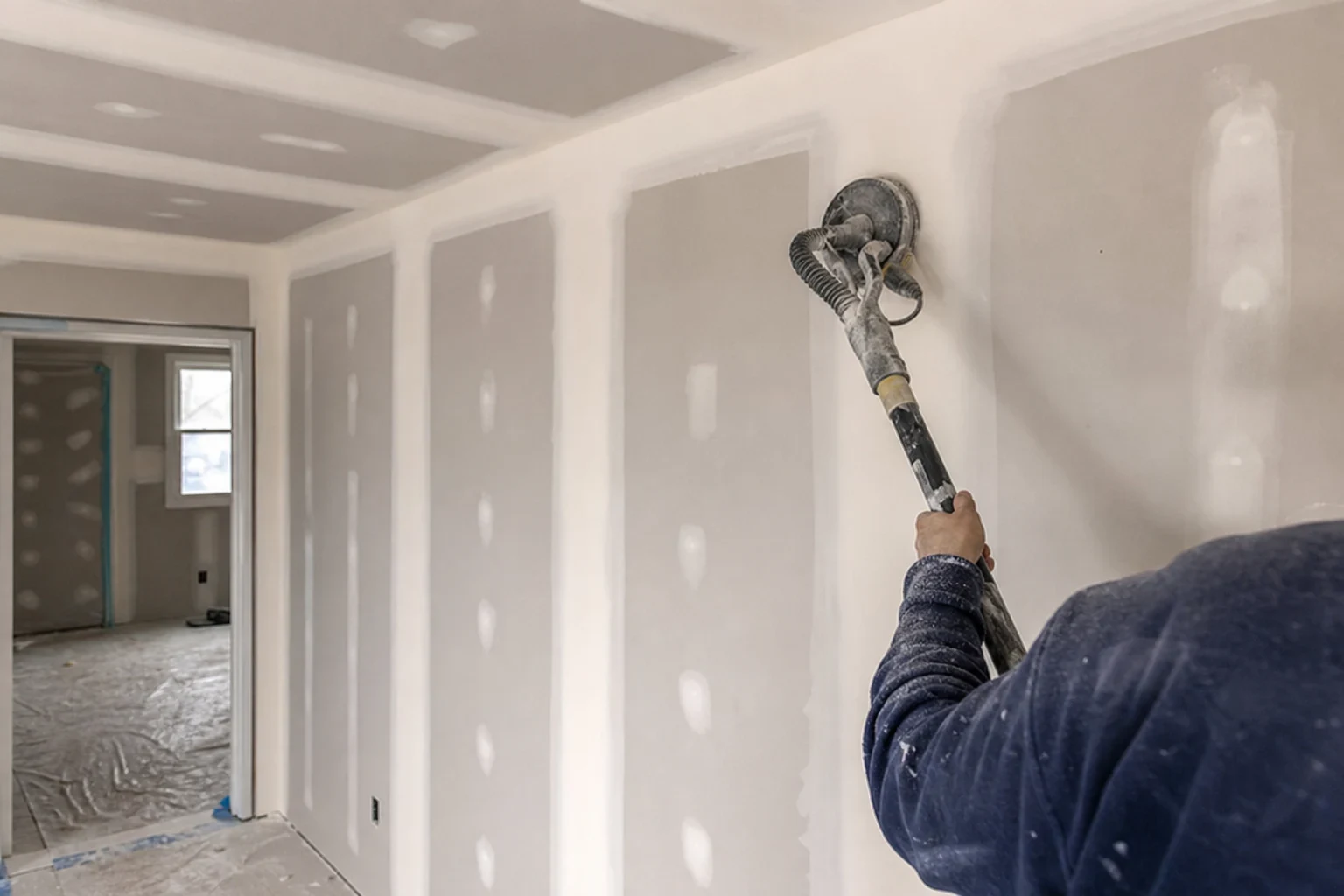
What finishing does and when you need it
Hung drywall is only half a wall. The seams, inside corners, outside corners and fastener heads all need tape and joint compound, built up in thin coats and sanded flat, before the surface is ready for primer and paint. That work is drywall finishing, and it decides whether light raking across a wall shows every joint or none of them.
You need it after new board goes up, after a large repair that left bare paper and tape, or when an earlier finish job was rushed and the seams now show through the paint. If your board is not hung yet, our drywall hanging page covers that step, and we can schedule both as one job.
Most finishing jobs take three or four visits spread across several days. We tell you that on the first call, not halfway through.
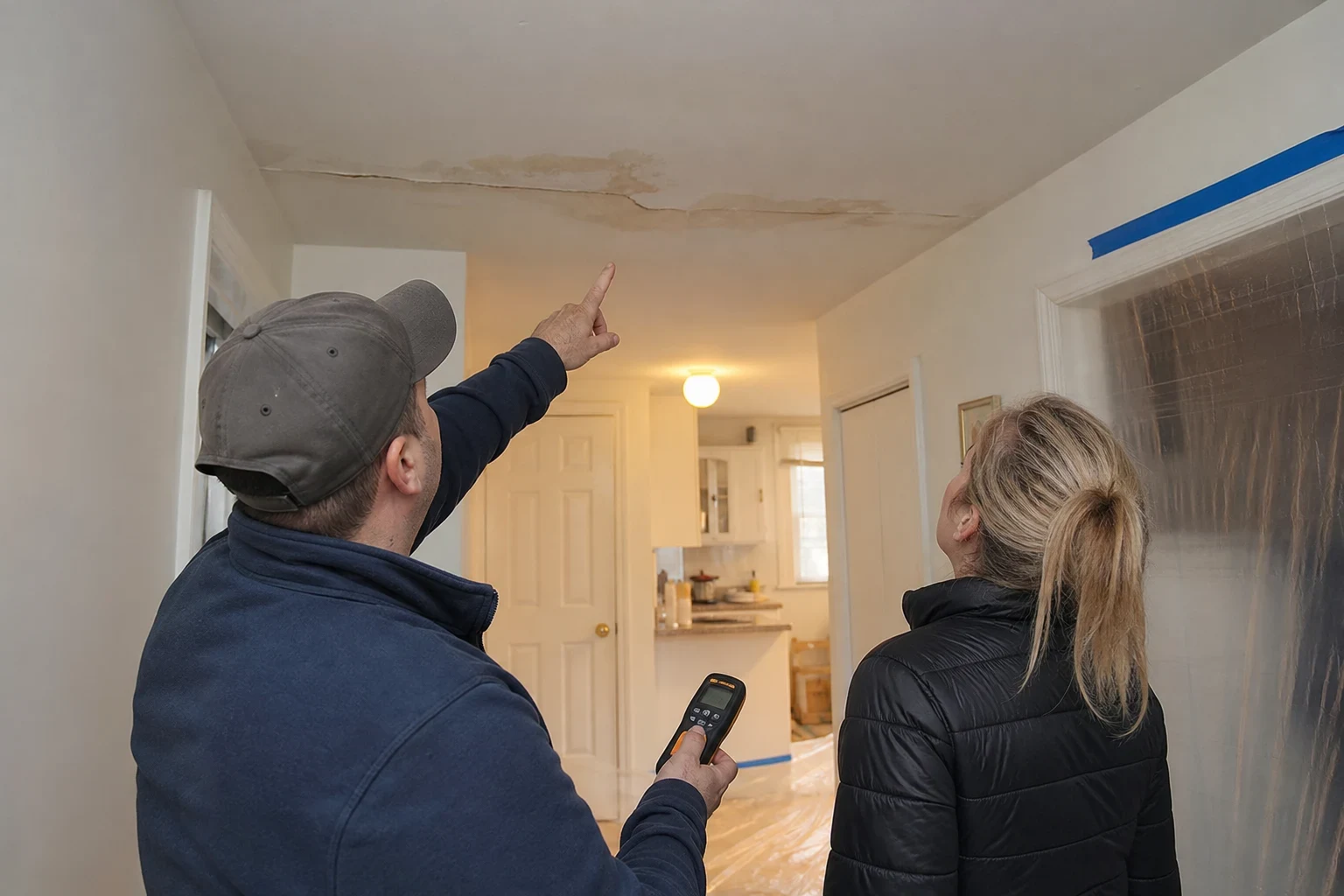
What finishing covers
- 01
Tape on every joint
Flat joints get paper tape set in compound, and inside corners get paper or metal-reinforced tape. Where mesh tape makes sense, we pair it with setting-type compound so it stays put.
- 02
Bead on outside corners
We fasten bead firmly to every outside corner and coat it, which keeps the edge straight and makes it hold up better to bumps.
- 03
Coats built up in stages
A fill coat, a second coat and a skim coat go on one at a time, each spread wider than the one before. Thin layers dry more evenly and shrink less than a single thick one.
- 04
Sanding with the dust held in
Sanding makes most of the mess, so we close off the room with plastic, cover the floors and use vacuum-assisted sanders when possible. A last pass by hand under a work light catches what is left.
- 05
Texture blended in when called for
When the walls or ceiling nearby carry knockdown or orange peel, we carry that texture over the new work so the room looks like one continuous surface.
- 06
A tidy room on the last day
On the final visit we take down the plastic, vacuum and wipe surfaces, so the room is ready to be primed.
Questions about Drywall Finishing?
Call(201) 298-0796Signs your walls need a better finish
Joint lines showing through paint
Long ridges or flat bands spaced about four feet apart mean the compound was never spread wide enough to blend. A skim coat followed by a careful re-sand usually hides them.
Dimples or bumps in a grid
A pattern of small round marks points to fasteners that were sunk too deep or covered with too little compound.
Tape lifting or blistering
When tape pulls away from the board, it was set without a full bed of mud behind it. We cut out the loose section and tape that run again.
Hairline cracks in corners
Thin cracks where two walls meet often trace back to a skimpy coat or slight movement in the framing. Fresh corner tape and a proper coat stand up much better.
Bare seams after a repair or remodel
New sheets with nothing on the seams are the plainest sign of all.
How a finishing job runs
- 1
Walkthrough and written schedule
We look at the board, the corners and the light in the room, then give you a written estimate with the number of visits and the days we expect to be there. You know the arrival window for each visit before we begin.
- 2
Day one: protection and tape
We cover floors, mask off doorways and bed tape on every seam and corner. Then the compound needs a full day to dry.
- 3
Middle visits: building the coats
We return for the second and skim coats, one visit each. In humid summer weather here, compound can take longer to cure, and if a coat is not ready we call you the evening before rather than show up and wait.
- 4
Final day: sanding and cleanup
We sand, check every joint under a raking light, touch up anything that needs it and clean the room. You walk the wall with us before we pack up.
What changes the price of finishing
Most of the price comes from the square footage and how smooth you want the result. A closet or garage takes less work than a living room facing bright windows. You get a written estimate broken into lines, by phone or after we walk the space, so every dollar is accounted for.
- Square footage and number of joints
- Each added sheet brings more seams, corners and compound. A room broken up by windows and doorways, with lots of small pieces, takes longer than long open walls.
- How smooth the finish needs to be
- Most painted walls do fine with a standard finish. Where light rakes across the wall or the paint is glossy, a skim coat over the entire surface may be the better choice, and it adds a visit.
- Overhead and tall surfaces
- Ceiling work goes slower, and high stairwell walls call for scaffolding or added setup.
- Copying an existing texture
- Blending into a texture already on the walls takes extra material and hours, more so across a big ceiling.
Drywall finishing questions
Why does finishing take several days?
Each coat of joint compound has to dry before the next one goes on. Rushing it causes shrinkage, cracks and seams that show later. We plan the visits around drying time and share the dates with you before we start.
Will there be dust all over my home?
Sanding makes dust, so we contain it. We hang plastic at doorways, cover floors and furniture, and use vacuum-assisted sanders where the job allows. You will still want to keep the room closed off during sanding days.
Do I need to leave the house while you work?
No. You can carry on with your day in the other rooms while we finish the walls. The space we are working in stays closed until the last cleanup, and each morning we let you know what the visit will involve.
What happens if the schedule changes?
Sometimes a coat dries slower than expected or a job before yours runs long. When that happens, we call you as soon as we know and give you a new arrival window, so you are not waiting at the door.
Do you paint after finishing?
Our work ends with a smooth, primer-ready surface and a clean room. For small areas that need blending afterward, ask us about paint touch-ups when you call.
Get finishing on your calendar
Tell us about the room and where the board stands. We will talk through the work, the number of visits and dates that fit your week.