Bayonne, NJ
Drywall Repair in Bayonne, Done on a Schedule You Can Plan Around
We repair, patch, hang and finish drywall inside your home, from a doorknob hole to a water-stained ceiling. You get a realistic timeline before we start, an arrival window for every visit and a call if anything changes. We work in Bayonne and nearby towns like Jersey City and Staten Island.
- Arrival windows set ahead
- Updates when plans change
- Floors covered, area cleaned
- Honest repair-or-replace advice
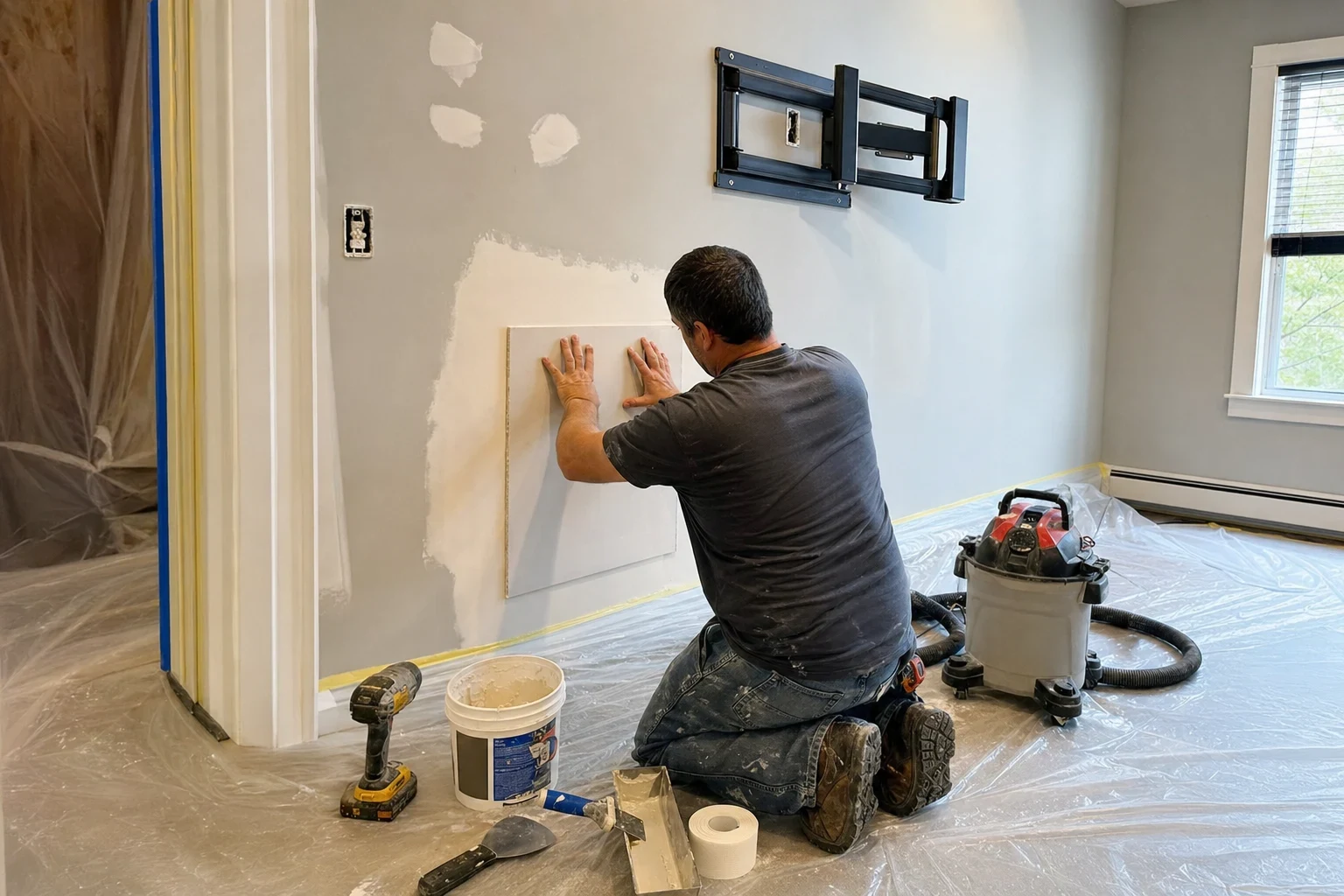
Drywall and Ceiling Work for Your Home
Most of our work is drywall repair and drywall patching: holes, cracks, dents, popped screws and damage left after a leak has been fixed. We also handle drywall hanging for new or replaced sections, drywall finishing from tape to final coat, and ceiling repair. Surface preparation and sanding, texture matching and paint touch-ups over the repaired area round out each job so the wall reads as one surface again.
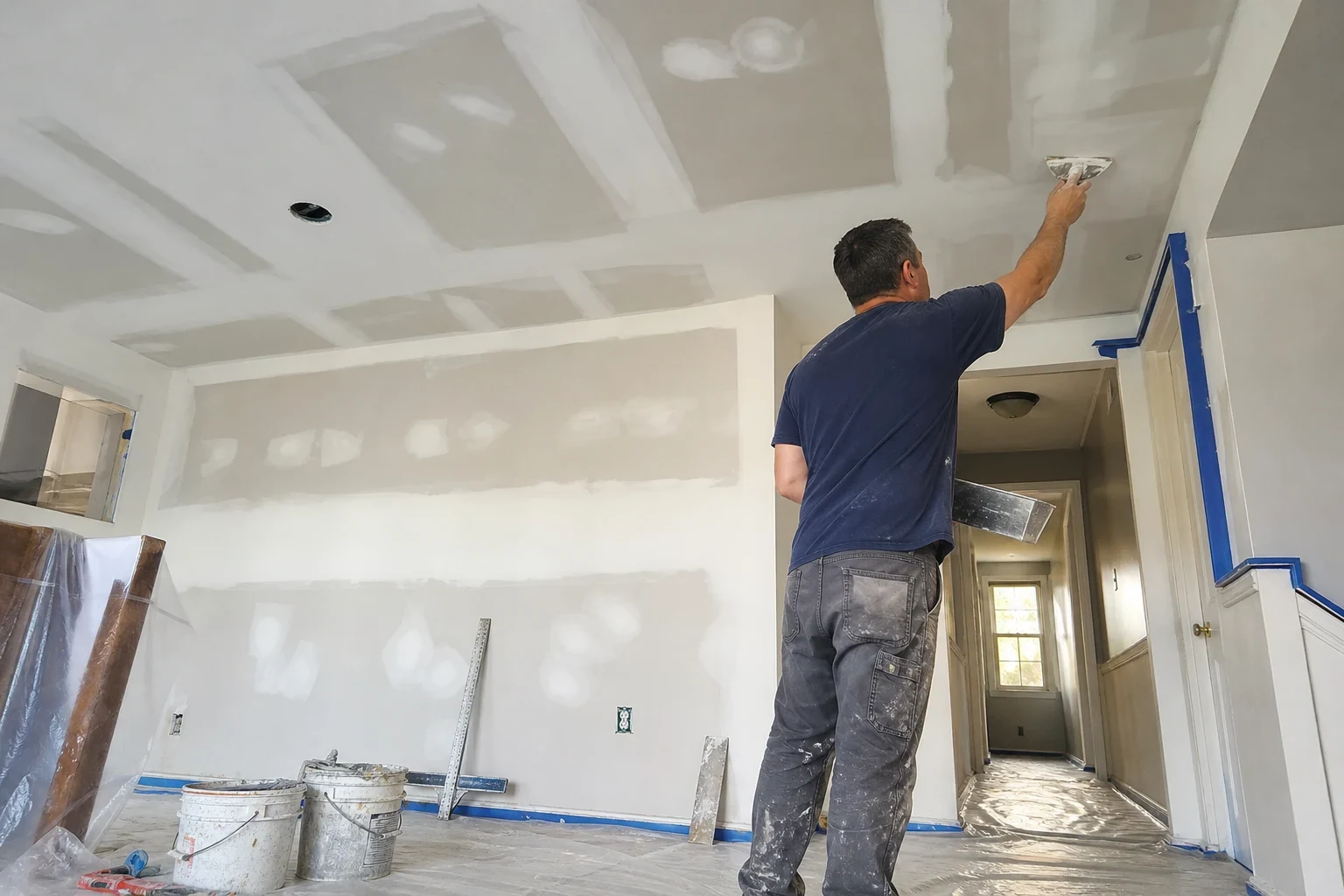
Drywall Repair
Holes, cracks, popped screws and water-stained drywall repaired, textured and sanded smooth, on a schedule we set with you before work starts.
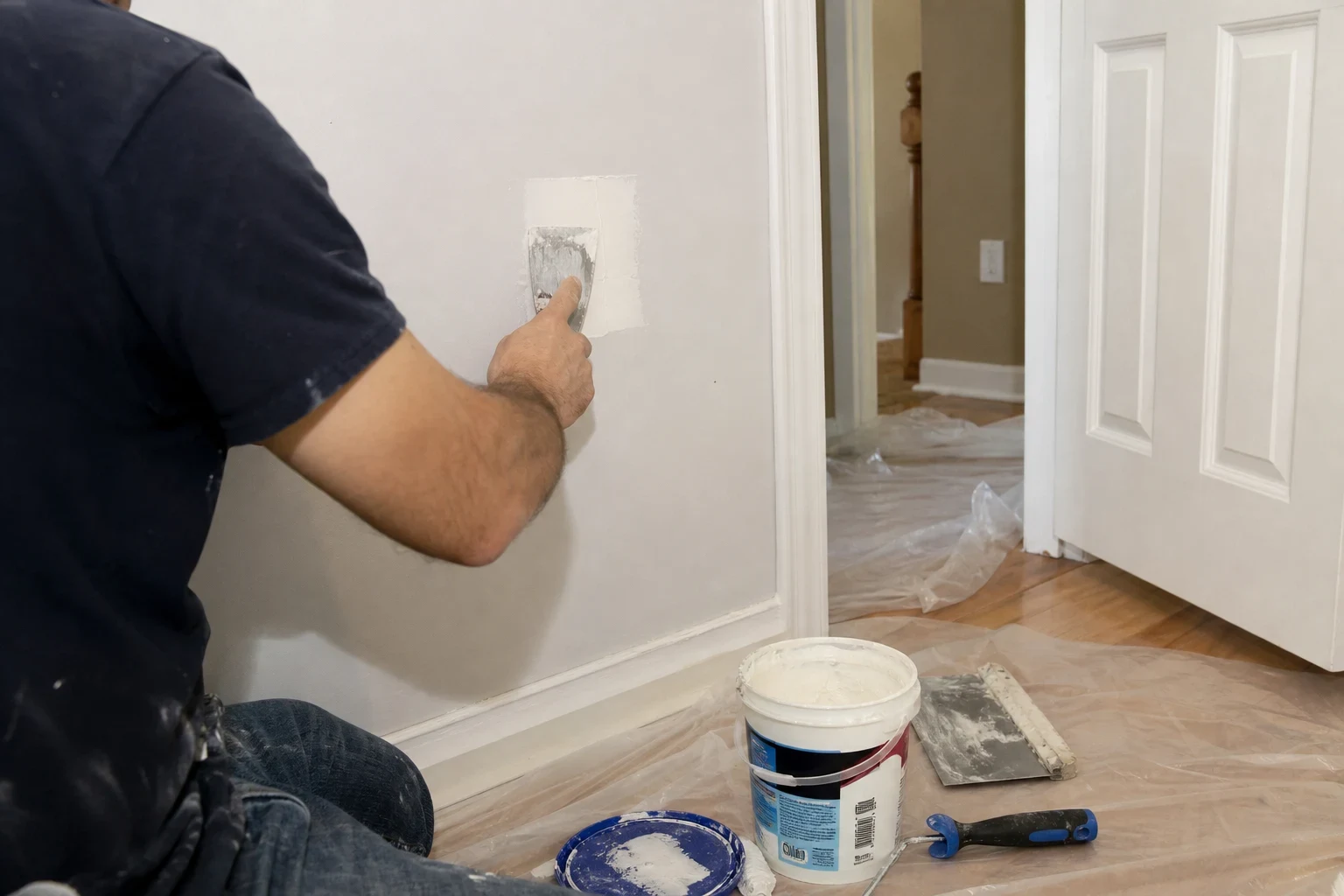
Drywall Patching
Holes from doorknobs, anchors, old fixtures or access cuts, patched, textured and primed so the spot stops drawing the eye.
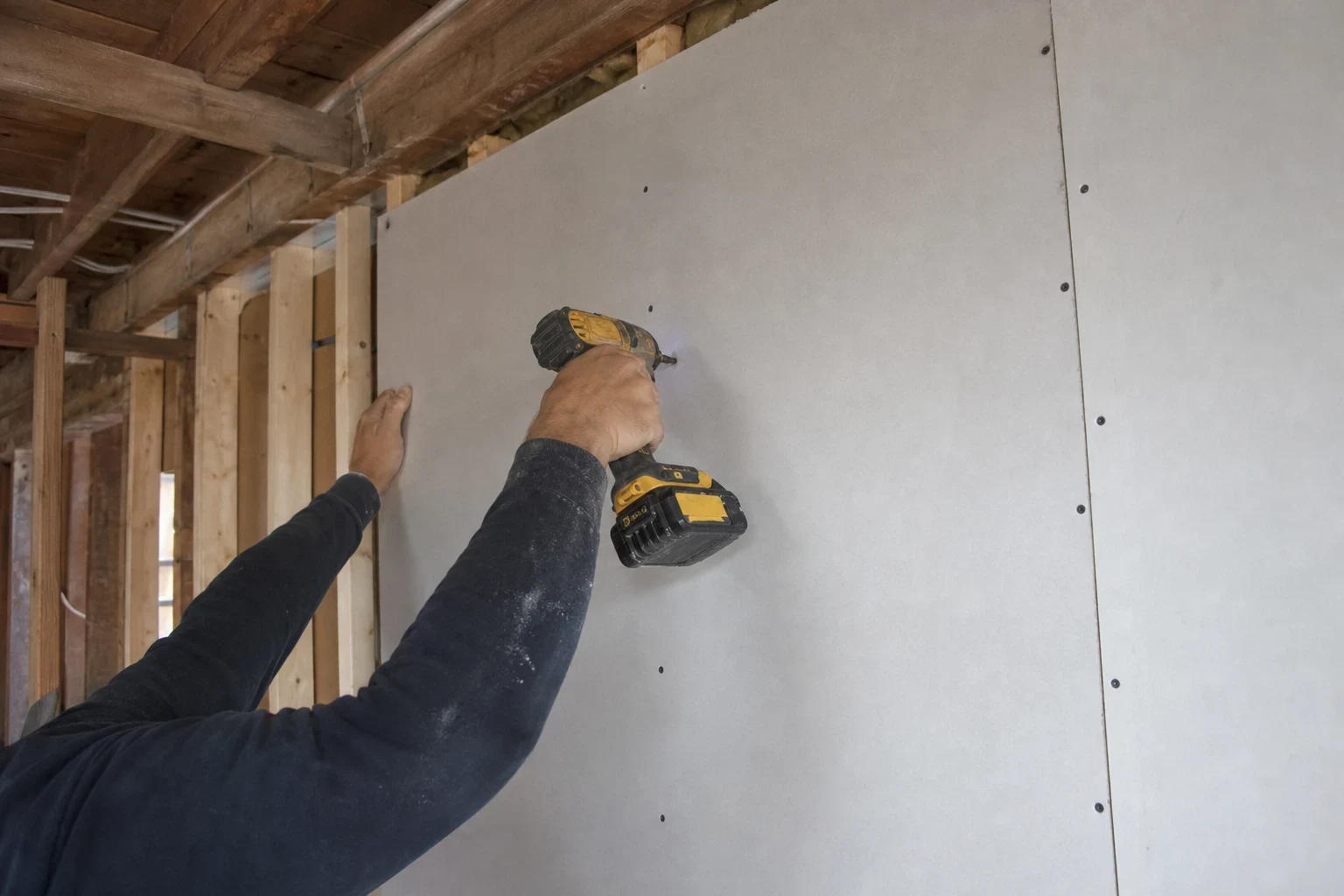
Drywall Hanging
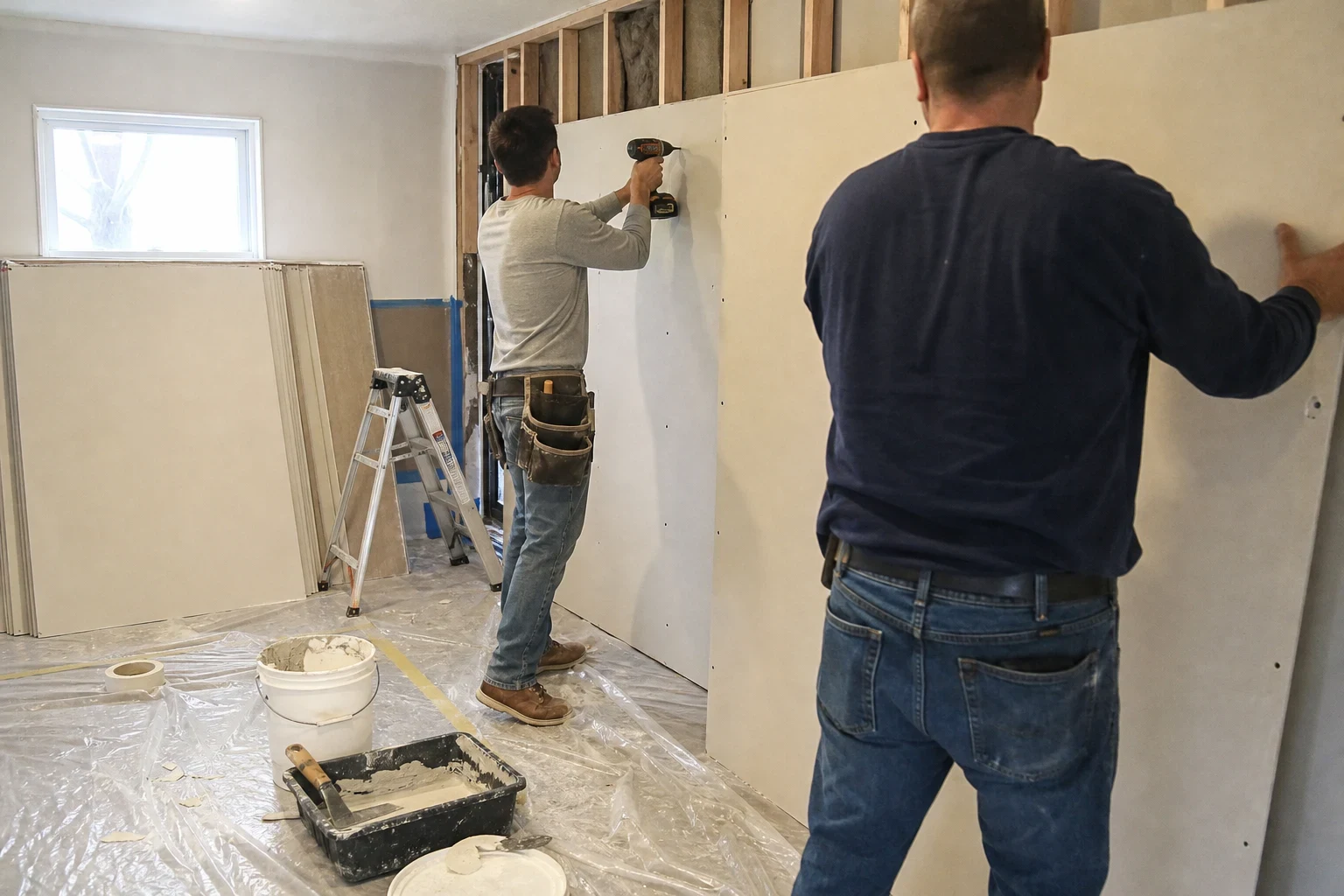
New drywall hung on walls and ceilings with the right board for each room, tight seams and a schedule you know before the first sheet goes up.
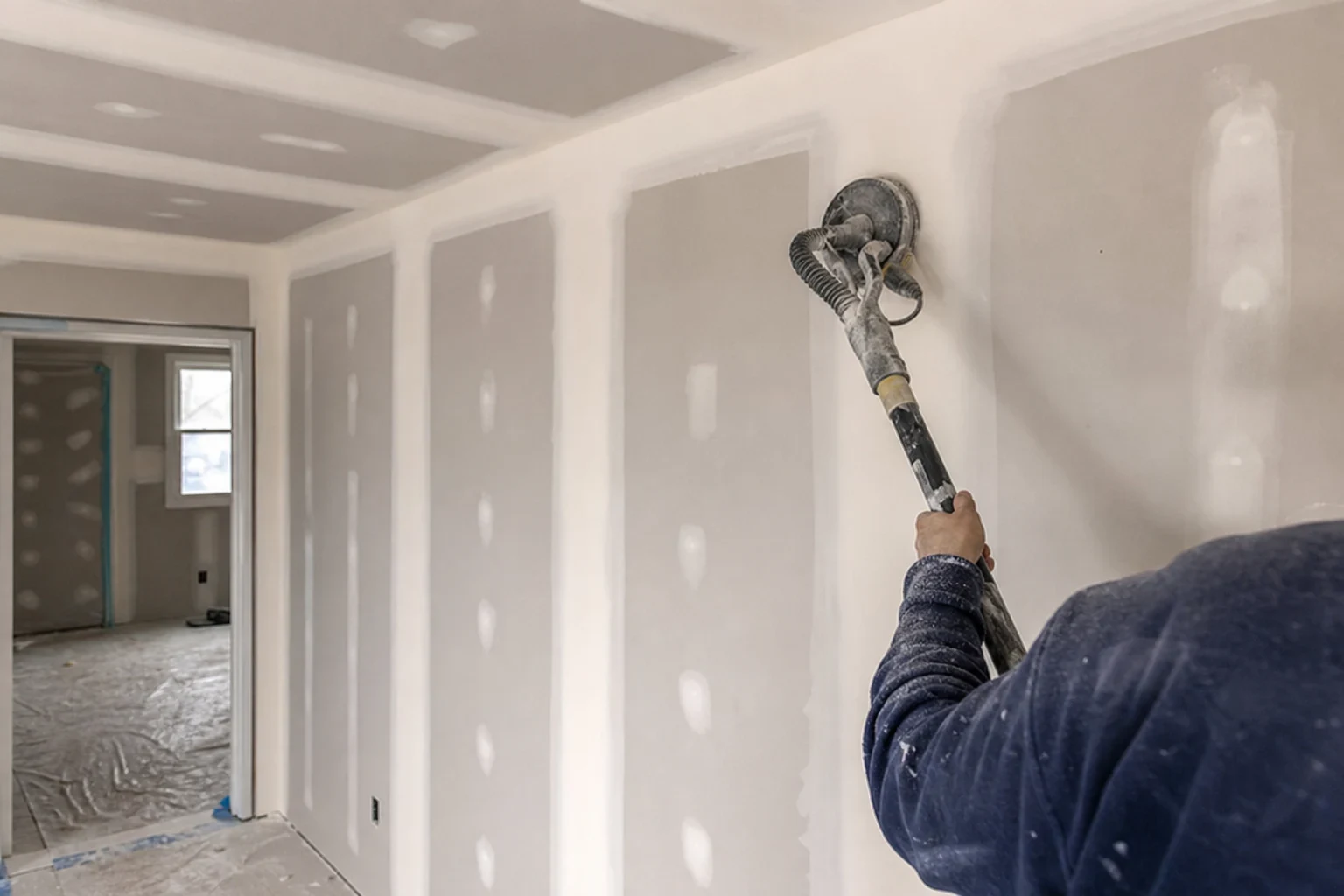
Drywall Finishing
Taping, mudding and sanding new or repaired drywall to a smooth, paint-ready surface, with drying time built into a schedule we share up front.
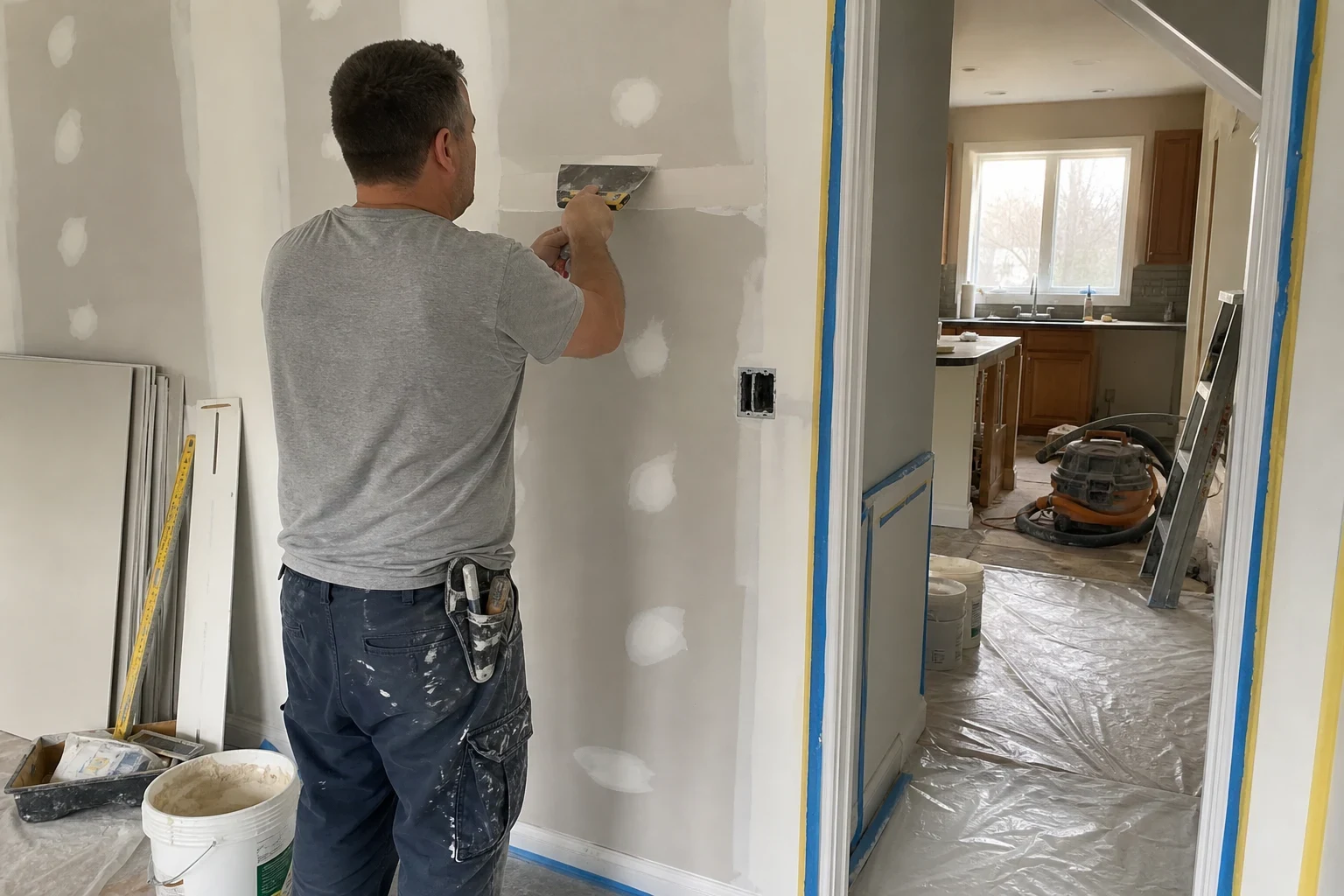
Wall Repair
Cracks, holes, loose corner bead and tired plaster fixed to a smooth, paint-ready surface, with a realistic timeline set before we start.
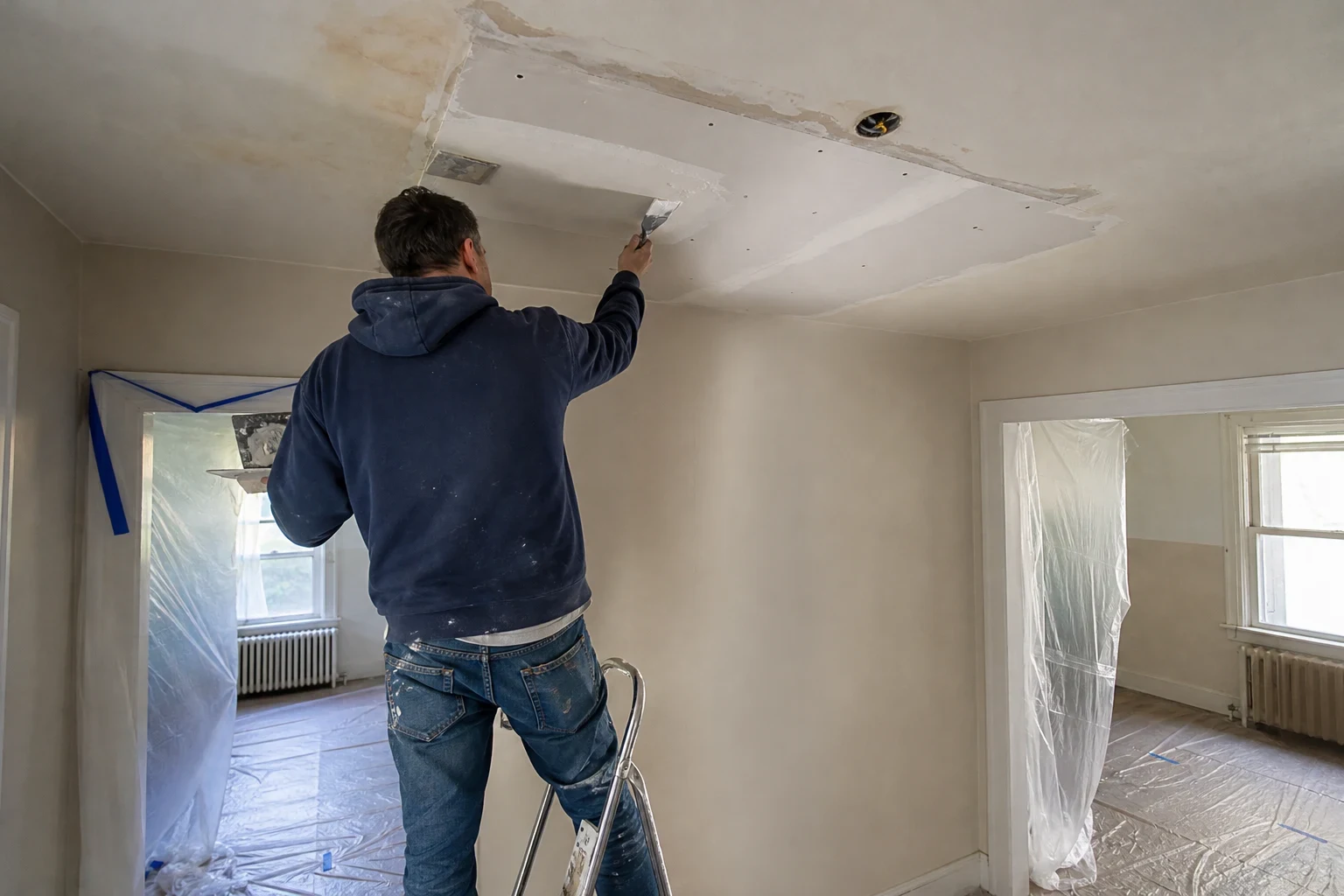
Ceiling Repair
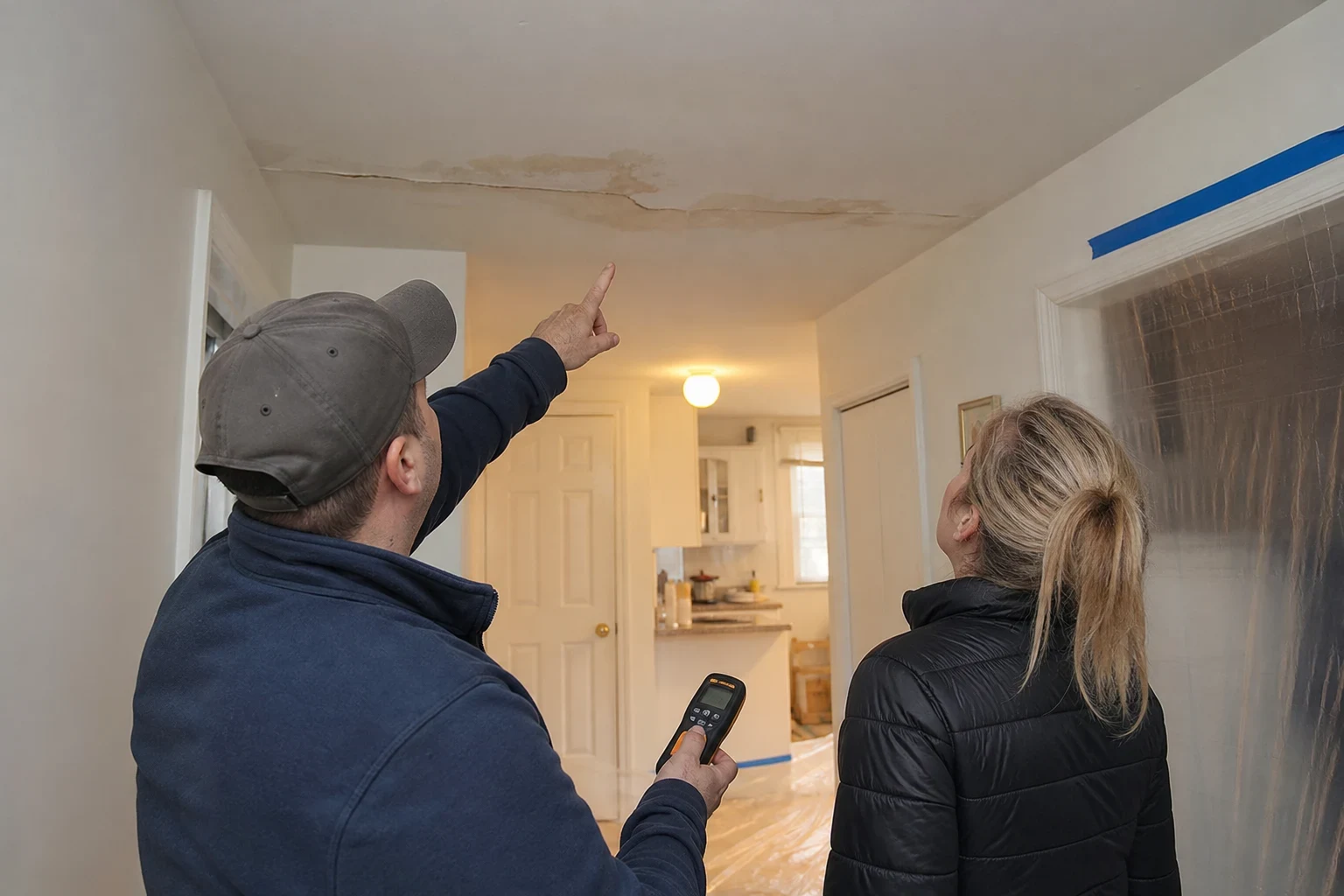
Water stains, cracked seams, nail pops and sagging drywall overhead, repaired and texture matched with a visit-by-visit schedule you know in advance.
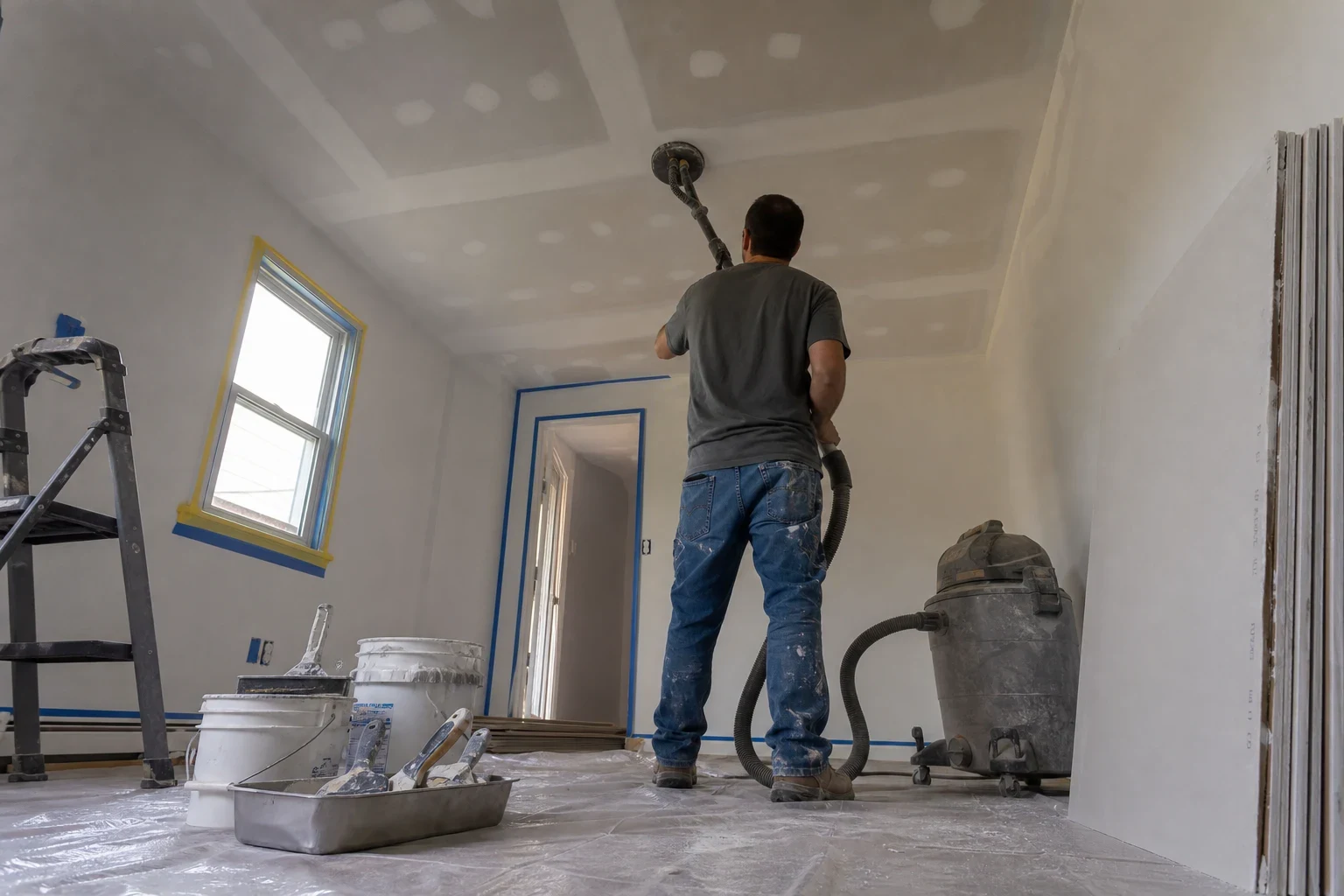
Surface Preparation and Sanding
Scraping, filling, feathering and dust-controlled sanding that leave walls and ceilings flat, clean and ready for a finish coat.
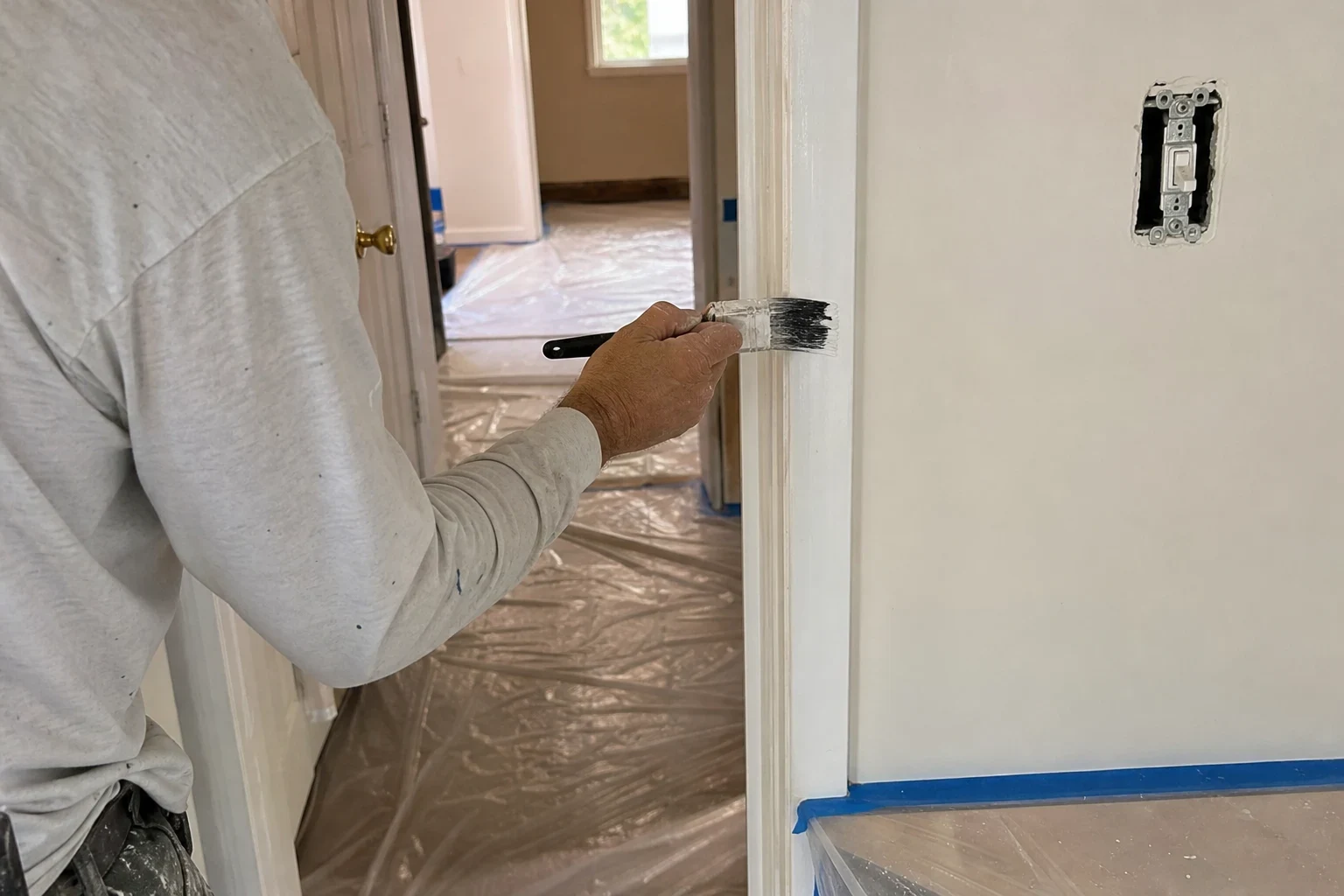
Paint Touch-Ups
Primed, sheen-matched paint touch-ups that hide patches, scuffs and repaired ceiling spots, scheduled around your day.
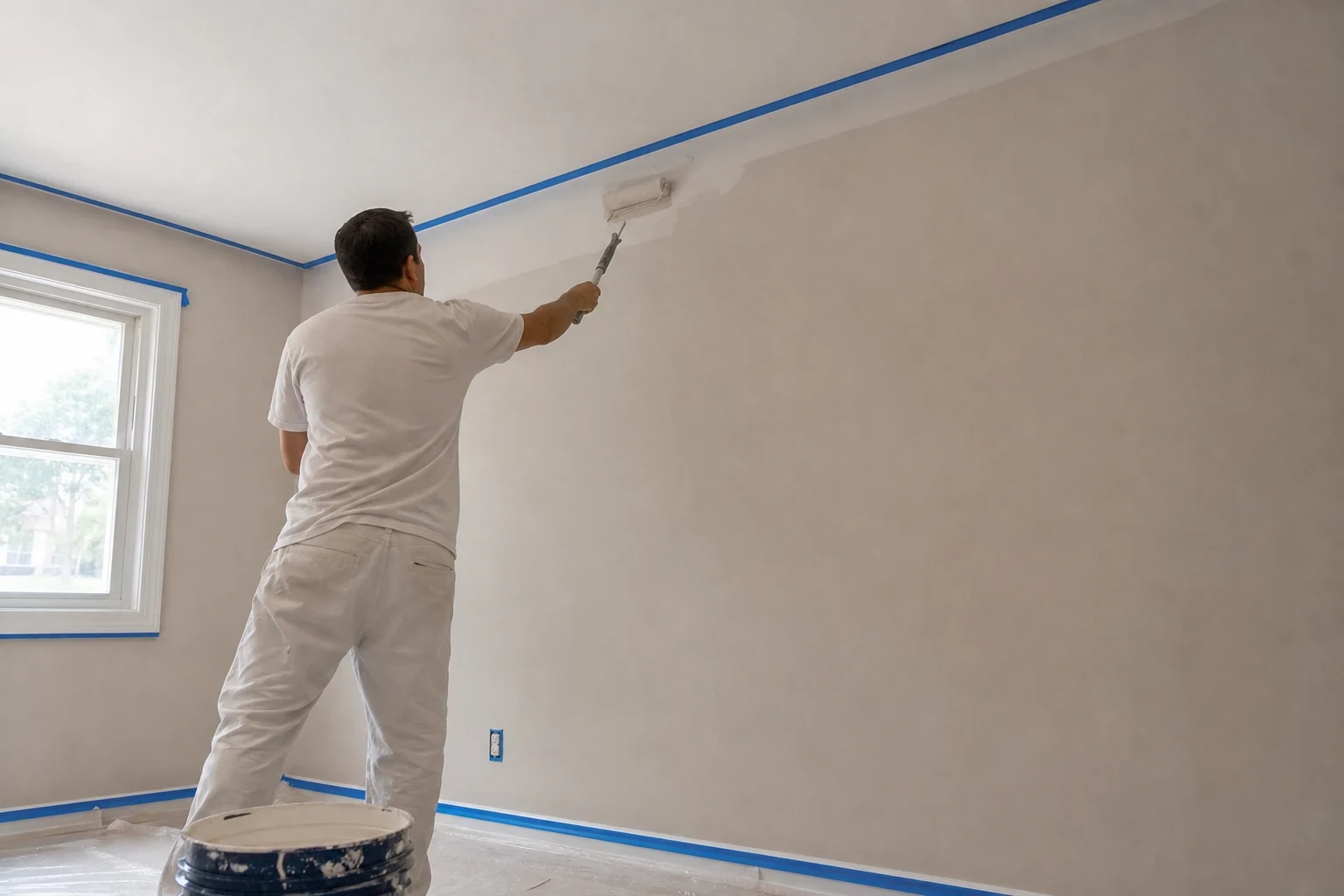
Repainting After Repairs
Primer and paint on the walls and ceilings we repair, carried to a natural break so the patched area matches the rest of the room.
What Drives the Price of a Drywall Job
No two walls or ceilings are alike, so we price the work once we understand it. Some factors matter more than others, and we go over each one on the phone and at the visit.
Your written estimate breaks out each part of the work and the number of visits it should need. If opening the wall changes things, we discuss it with you before going any further.
- The amount of damage
- One dent behind a door is a quick job next to a stairwell scuffed and cracked from top to bottom. With several damaged spots, fixing them in one set of visits usually takes less time than booking each separately.
- What we find underneath
- Opening up damage can uncover wet insulation, loose tape or weakened board nearby. Older plaster walls, found in many local homes, may need added work before a patch will stick. You see it before we go past the plan.
- Ceilings and hard-to-reach spots
- Ceiling work needs more setup than walls, with ladders or staging and extra protection for the room underneath. Tall stairwell walls and cramped closets also take more time.
- Matching texture
- Smooth surfaces blend most easily. Knockdown, orange peel and hand-troweled finishes need extra steps and trial passes to match.
- How fine a finish you want
- A closet wall needs less than a living room wall hit by strong side light. Extra coats and finer sanding raise the cost, and we help you pick the right level for each room.
- How many trips it takes
- Compound has to dry between coats, so bigger jobs mean coming back. The number of visits is built into the timeline you get at the start.
What Happens, Step by Step
You always know the next step and the day it happens, from your first call to the last look at the finished wall.
- 1
Start with a phone call
Describe the damage and where it is. We ask about its size, its location and any earlier leaks, then book an arrival window to come see it.
- 2
See it, measure it, explain it
On site we check the board, the edges of the framing and any moisture. You leave with a written estimate, a clear call on repair versus replacement and a realistic schedule that counts the visits.
- 3
Cover, fix and apply first coats
Floors get covered and the area masked before we patch or hang board. After tape and the first coats go on, the compound needs to dry before our next visit.
- 4
Sand, blend and paint
Return visits bring the finish coats, smooth sanding and texture matching. We finish with a paint touch-up on the repaired spot so it fades into the wall.
- 5
Tidy up and review together
Coverings come off, we vacuum, and we check the result with you in good light. If a spot needs one more pass, we book it before leaving.
About Bayonne Drywall Repair Pros
We are a drywall company based in Bayonne, NJ, focused on walls and ceilings inside people's homes. Homeowners, landlords and property managers call us when they need a repair done properly and need to know when we will be there.
We think the finish is only part of the job. The other part is how the work fits into your week. A patch that looks perfect is still a frustration if you waited all day for someone to show up. So we set clear arrival windows, explain how long compound and drying will take, and call you as soon as a plan shifts.
Why Bayonne Homeowners Call Us
Drywall rewards patience. Compound has to dry, and a schedule that skips that step leaves seams you can see. We plan honestly, so you know what each day involves.
- 01
Schedules that leave room to dry
Most finished patches take more than a single trip, because every coat needs to dry first. You hear how many visits to plan for, and the reason, so day two holds no surprises.
- 02
A set window for every visit
You get a defined arrival window, not just a morning or an afternoon. When an earlier job runs over or we are behind, we call before your window opens, not once it has closed.
- 03
Dust stays in the work area
Floors and furniture near the repair get covered, the area is masked, and we sand carefully. The space is clean and ready to use when we go.
- 04
A repair that matches its surroundings
Patches are feathered wide, wall and ceiling textures are copied, and a paint touch-up is blended over the spot. The aim is that nobody can pick out the repair from across the room.
- 05
Honest advice on patch versus replacement
When a small patch is enough, you hear that. When the board is soft, crumbling or stained all the way through, we show you what we found and explain why replacing that section lasts longer.
Our Service Area
Our base is Bayonne, and we handle drywall and ceiling jobs in the towns around it, including Jersey City, Union City, Newark, Elizabeth, East Orange, Irvington and Union. For the right project we also go to Staten Island, Brooklyn and parts of New York.
- Bayonne
- Newark
- Jersey City
- Elizabeth
- New York
- Brooklyn
- Staten Island
- East Orange
- Union City
- Union
- Irvington
Wondering if we reach your address? Ask on the call and you will get a plain answer, plus how the drive affects your schedule.
Common Questions
Something not covered here? (201) 298-0796
How many visits does a drywall repair need?
A small patch usually means two or three short trips, since every coat of compound has to dry before the next goes on. Bigger areas of new board can run several days from hanging through final sanding. You hear the expected visit count before work starts.
Do I have to stay home all day waiting?
No. Every visit has a set arrival window. If we fall behind, you get a call before that window begins so you can change your plans.
Will the work make a mess?
Sanding throws off fine dust, so floors and furniture close by get covered and the work zone is masked. We clean after every visit, and in most cases you can use the room between visits.
Can you copy the texture on my walls or ceiling?
Yes, it comes with the job. We keep testing on the patch until it blends with the surface around it. Textures applied by hand can take a bit longer, and we let you know that at the start.
Can you repair a water stain on my ceiling?
Yes, after the right trade has fixed the leak. We check whether the board is still solid or has softened, then seal and patch it or replace the damaged section. Patching over wet material just lets the stain return.
Will I be able to see the repair?
We work so you cannot. Compound is spread wide, sanded with care and covered with a paint touch-up. If your current paint has faded, we explain how well a touch-up can blend before starting.
Does someone need to be home during the work?
Someone should let us in and check the finished work. Landlords and property managers often set up access through a tenant, and we confirm the arrival window with the person who will be there.
Get a Clear Plan for Your Walls
Tell us what needs fixing and we will set an arrival window to see it. You will know the timeline and the next step before we hang up.