ServicesCeiling Repair
Ceiling Repair in Bayonne
We repair stained, cracked and sagging ceilings so the patch disappears into the surface around it. Before we start, you get a clear plan: how many visits the job needs, when we arrive for each one, and what happens if drying time or a hidden problem changes things.
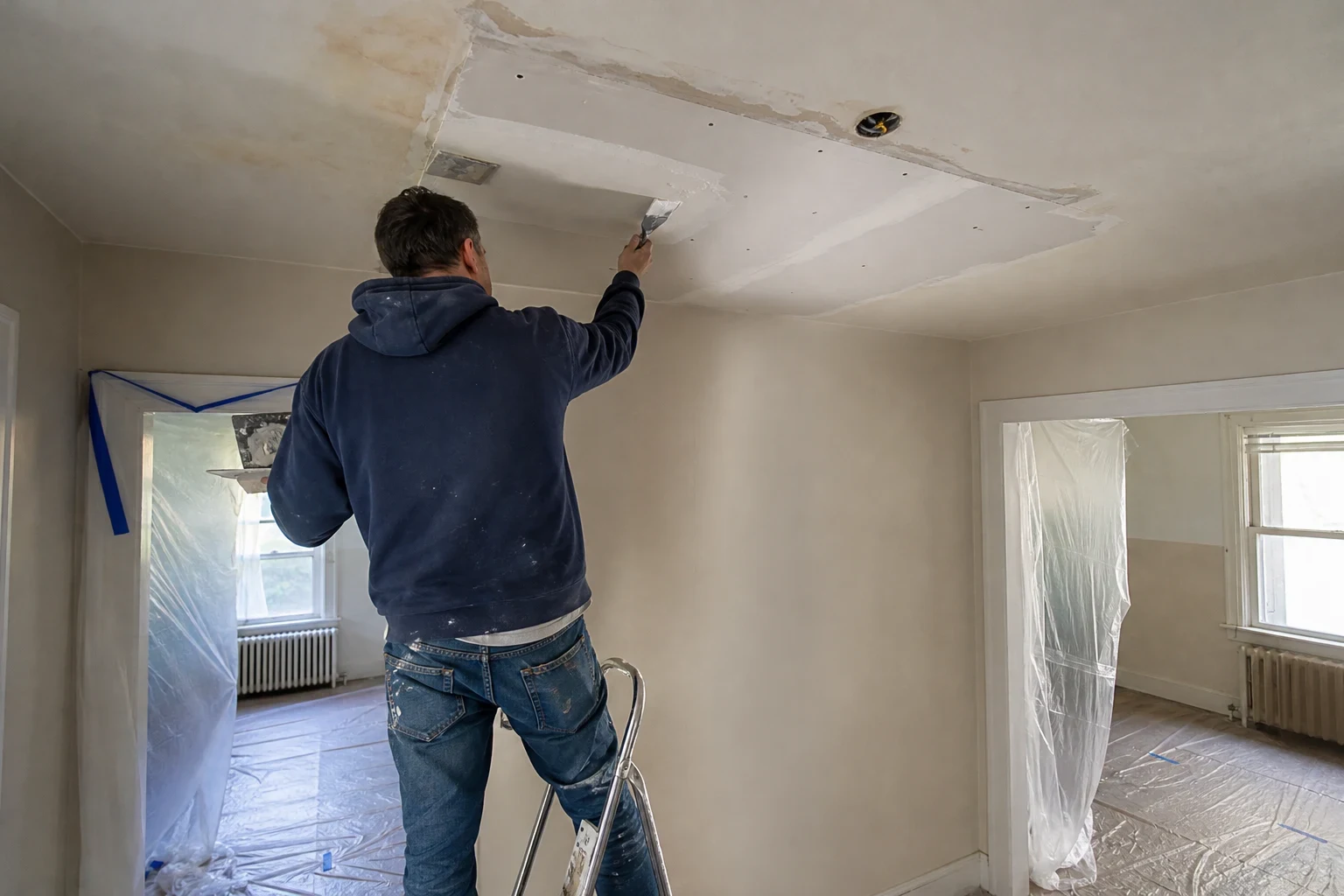
Overhead work, done carefully and on a schedule
Ceiling damage is harder to live with than a dent in a wall. It sits over your bed or dining table, it often follows a leak, and a sloppy patch shows every time the light hits it at an angle. Our ceiling repair covers drywall and the plaster-and-lath ceilings common in older homes across the area, from a single nail pop to a section that has to be cut out and replaced.
Most ceiling repairs are not one-visit jobs. Joint compound needs to dry between coats, and a stain needs a sealing primer before anything goes over it. We tell you that up front, set each visit with a defined arrival window, and call ahead if a slow-drying coat means the next step moves.
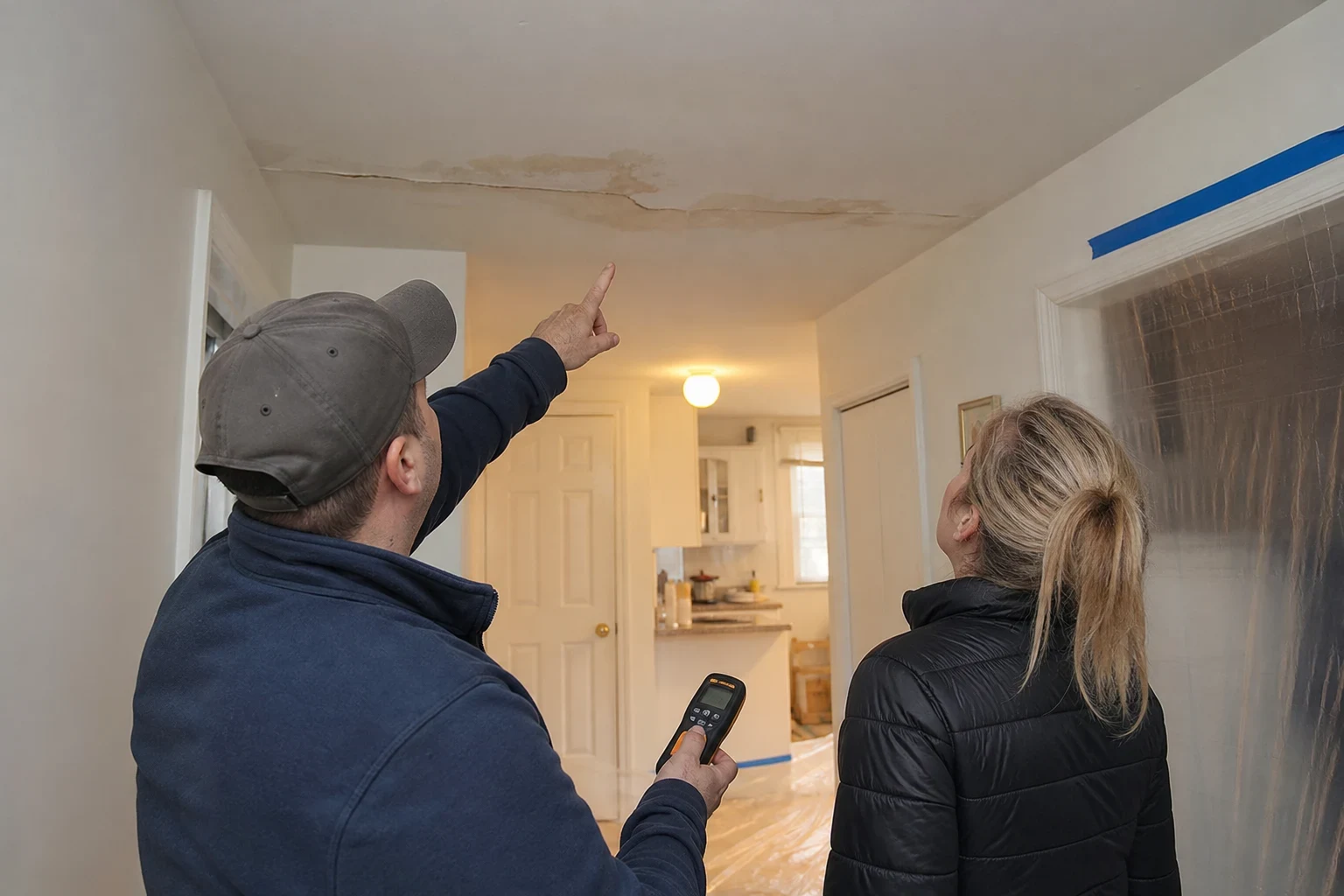
What ceiling repair covers
- 01
Checking for moisture first
Once a leak is fixed, we take moisture meter readings. Sealing up a damp ceiling locks the water in, so work begins only after the board and framing test dry.
- 02
Removing damaged board
Board that is soft, crumbling or sagging is cut away until we reach solid material. Backing goes in where needed so the new piece fastens securely and lines up flush.
- 03
Tape, compound and feathered edges
We tape the seams and apply thin coats, spreading each wider than the one under it. That slow taper keeps the patch from looking like a raised square above you.
- 04
Blending the texture
Smooth, knockdown, orange peel and popcorn ceilings all call for their own method. We try the texture on a scrap of board first so the repair matches the rest of the room.
- 05
Sealing stains, then touching up paint
Regular paint lets water stains show through, so a stain-blocking primer goes on first. After that, we touch up the paint over the repair.
- 06
A tidy room after each visit
Drop cloths and plastic protect the floors and furniture, and sanding dust is kept contained. We sweep up so the room is usable when we leave.
Questions about Ceiling Repair?
Call(201) 298-0796When a ceiling needs attention
Yellow or brown stain rings
A ring tells you water got into the board at some point. Even once dry, the drywall may be weaker, and the mark will bleed through fresh paint unless it is sealed.
A dip or soft area
Board sagging between joists has lost its strength, usually from moisture or fasteners that gave out. Have it checked soon, before it pulls down further.
Cracks following the seams
Straight cracks along the tape lines mean a joint has shifted or the tape has come loose. Paint covers them for a season at most.
Popped nails or screws
A line of small round bumps shows fasteners working their way out. We reset each one and finish over it so it stays in place.
Texture that bubbles or peels
Lifting or flaking texture usually points to moisture underneath or a weak bond. Scraping back and redoing it gives you a surface that holds up.
The steps of a ceiling repair
- 1
Call us and we come look
Tell us about the damage and we book a time to see it. We check that any leak has been fixed first, because repairing the ceiling before that just means repeating the job.
- 2
A schedule with actual dates
We walk you through the repair, the expected number of visits and the arrival window for each one. On an older textured ceiling, we may ask for it to be tested before we cut.
- 3
Removal, new board and first coat
We cover the room, take out the damaged section, put up new drywall and apply tape with a first coat of compound. It then dries, typically overnight.
- 4
More coats, sanding and texture
Later visits handle the remaining coats, careful sanding, texture, primer and paint touch-up. When humidity slows drying, we phone to move the next visit rather than rush a coat that is still soft.
- 5
Final look together
We check the repair with you in ordinary room light and from an angle, then pack up and leave the space clean.
What affects the cost of ceiling repair
The price depends on what is wrong with the ceiling and what it takes to make the repair invisible. We explain the scope and the number of visits before work begins, and if opening the ceiling reveals more damage, we show you what we found and talk it through before going further.
- Size and depth of the damage
- Resetting a few fasteners is a small job. Replacing a full sheet that sagged from water takes more material, more coats and more visits.
- Texture type
- Smooth ceilings need the most careful finishing because every flaw shows. Popcorn and knockdown patterns take extra time to blend, and an older textured surface may have to be tested before anyone disturbs it.
- Reach and room setup
- A ceiling over a staircase or a tall vaulted space calls for taller ladders or staging, which adds time on each visit. A furnished living room also takes longer to cover and protect than a bedroom with nothing in it.
- Plaster versus drywall
- Repairing plaster-and-lath ceilings often involves different materials and more preparation than standard drywall.
Ceiling repair questions
How many visits does a ceiling repair take?
A handful of popped fasteners can often be handled in one short visit. A typical patch needs more than that, since compound goes on in thin layers and each layer must cure before the next one is applied, so plan on a couple of return trips. Bigger water-damaged sections can run longer. You hear the expected visit count and each arrival window before we begin.
Do you fix the leak that caused the stain?
No. The source of the water needs to be repaired by the appropriate trade before we work on the ceiling. Once that is done and the area tests dry, we handle the drywall, texture and paint touch-up.
Can you match my popcorn or knockdown ceiling?
Yes, we match existing textures and test the result on scrap board first. Older textures that have yellowed may need the repaired area primed and touched up so the color lines up as well as the pattern.
How much dust should I expect?
Some sanding is unavoidable, but we cover floors and furniture, contain the work area with plastic where it makes sense and clean up at the end of every visit. Most people keep using the rest of their home normally.
Should a sagging ceiling be patched or replaced?
It depends on how far the drywall has dropped and whether it is still solid. Board that is soft or pulling off its fasteners should come out. If only part of the ceiling is affected, we replace that section rather than the whole room, and we tell you plainly which approach fits.
Can you schedule around tenants?
Yes. For landlords and property managers, we set visits with clear arrival windows so tenants know when to expect us, and we let you know right away if a visit has to move.
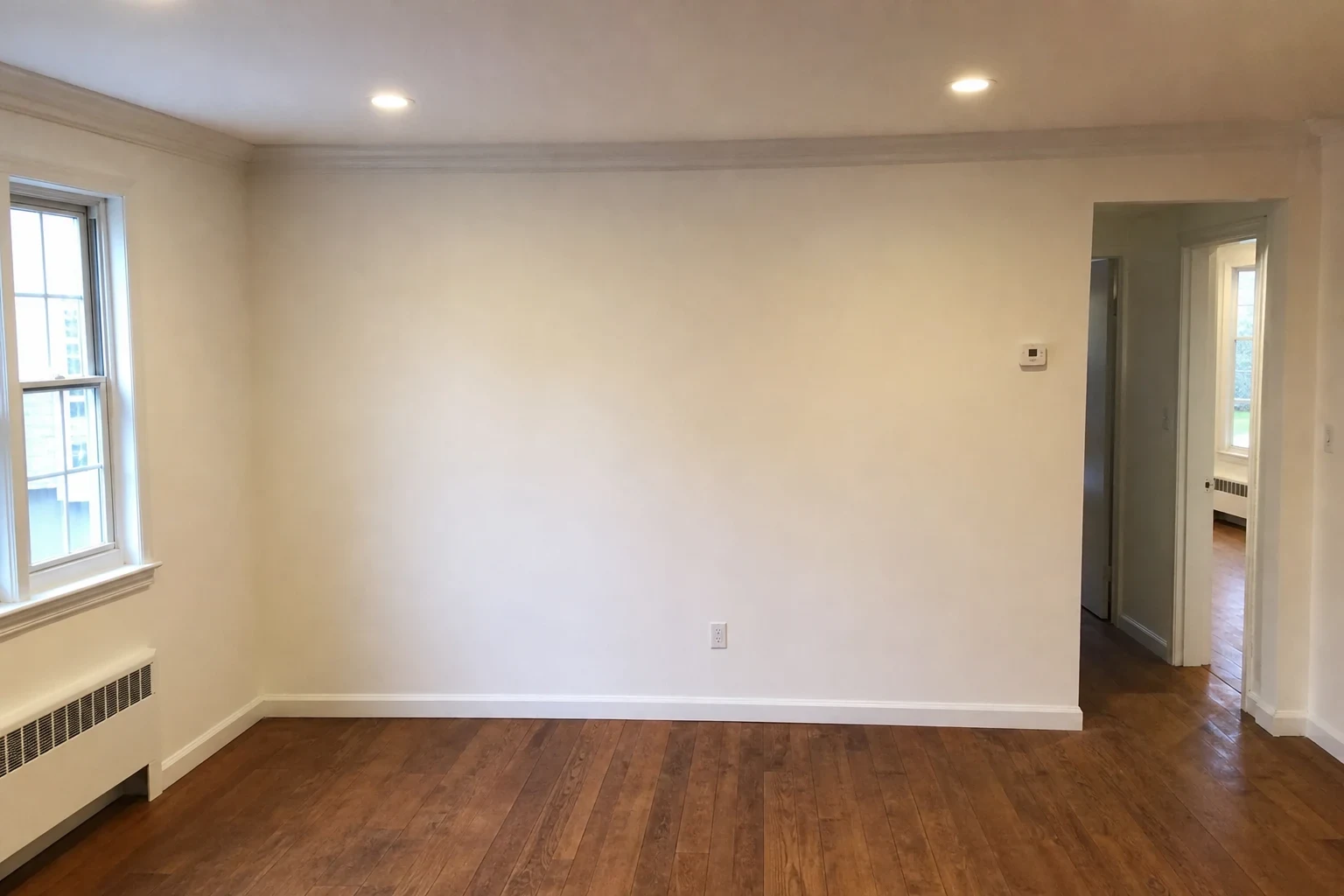
Get someone to look at your ceiling
Describe the problem above you and we will book a time to see it. You will hear the plan, how many visits it takes and the arrival window for each.